
Our Mission
| The mission of this site to further the study of eschatology and preterism. Eschatology is from the Greek eschatos, “last,” and signifies the study of “last things.” Eschatology is far and away the most difficult and challenging discipline of Biblical study. The usus loquendi of the prophets was highly figurative; their speech was veiled with poetic exaggeration and metaphors; they wrote in signs and symbols. Without a working familiarity with their method, the prophets are difficult to apprehend. |
|
___________________
Now Available!
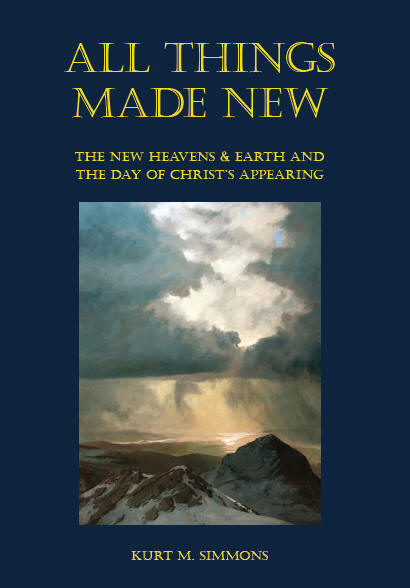
| The New Heavens &
Earth First prophesied by Isaiah Enlarged upon by Joel Looked for by Peter Described in Revelation by John A verse-by-verse commentary on Isaiah's prophecy of the New Heavens & Earth (Isa. 65-66), the book of Joel, and the 2nd general epistle of Peter brought together under one cover! 240 pages, soft cover $5.95 plus $4.00 s/h |
 |
| ____________________ |
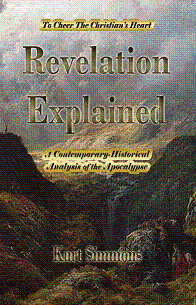
Priced to share with friends! Order now and receive a FREE copy of Revelation Explained with your order! |
Vaccine-passports and the Mark of the Beast
Resisting the Temptation to Interpret Ancient Prophecies by Contemporary Events
In this article we look at the book of Revelation and the “mark of the beast.” We will conclude that, although vaccine-passports adopt coercive techniques similar to those depicted in Revelation, the imagery of Revelation was fulfilled in the generation it was written.
Read >>
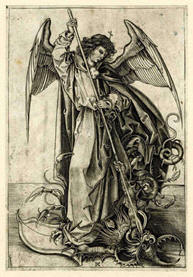
The Five Deaths & Resurrections of Scripture
Including the "First Resurrection" and "Second Death""
 |
Death and resurrection are probably the single most
compelling topics of scripture. In a very real
way, the whole relevance of the Bible and
Christianity is rooted and founded in human
mortality and the prospect of life after death
(or the lack thereof). In this article, we
examine the death and resurrection of man to
determine what the Bible teaches about these
topics. We’ll look first death, then at
resurrection.
Read >> |
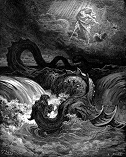
The Dragon, the Beast, and the Restraining Angel of RevelationTwenty
In this article, we discuss the identity of Revelation’s dragon, beast, and binding angel of chapter twenty. We will conclude that the latter of these refers to Claudius Caesar in combination with the jus gladii, and the religio licita, which we also identify with the “restrainer” of II Thessalonians two. The dragon and beast we will conclude refer to Rome and the persecution under Nero Caesar. Along the way, we solve many of Revelation’s other riddles. Read >>> |
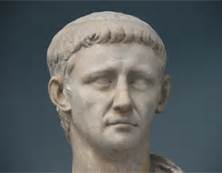 Claudius
Caesar Claudius
Caesar |
____________________
----- Special Offer -----
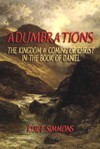
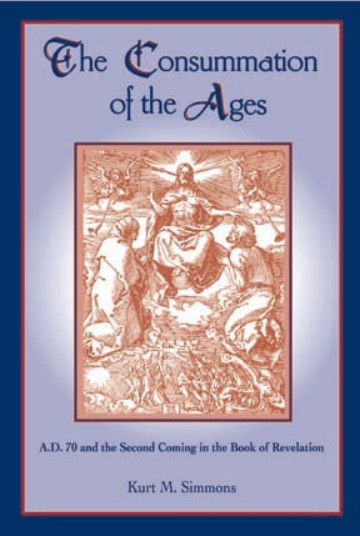
Purchase a copy of The Consummation of the Ages, and for $6.95 more, receive a copy of Adumbrations: Two books for $31.90 (shipping and handling $7.00).
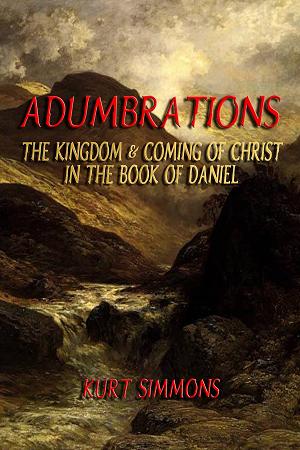 |
Get them both
for only $31.90 |
 |
___________________
Preterism 101:
The Foundations of Fulfilled Eschatology
As more and more people become serious students of “last things,” the number of those investigating Preterism is constantly increasing. Hence, there is a recurring need to set forth the “first principles” of the Preterist interpretation of scripture. In this article, we will look at the foundations of fulfilled eschatology. Read
>>>_______
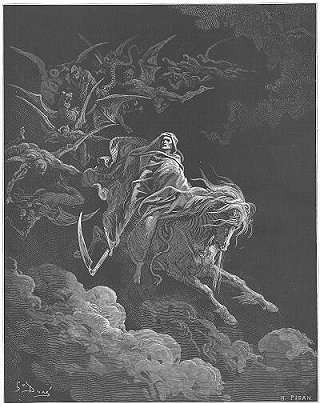 |
II Peter 3:10-13 and The Day of the Lord
II Peter 3:10-13, with its prediction of
the heavens and earth dissolving in a conflagration, stands as
one of the major texts relied upon by futurists as proof that
Christ's second coming has not occurred.
In this article, we look at this passage and decide that
it refers to the overthrow of world powers in the first century
as Christ assumed the government of the world and put all
enemies beneath his feet. |
Why I am a Preterist
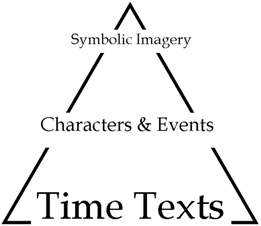 |
This study examines the three categories of end-time scripture - Time Texts, Characters & Events, and Symbolic Imagery - and shows that, alone and together, they testify that the second coming is an event scripture unequivocally places within the first generation of believers. Part I Part II Part III |
|
The Three Story Pyradmid of Biblical Interpretation |
____________________
Exposition of Revelation Twenty—Twenty-two
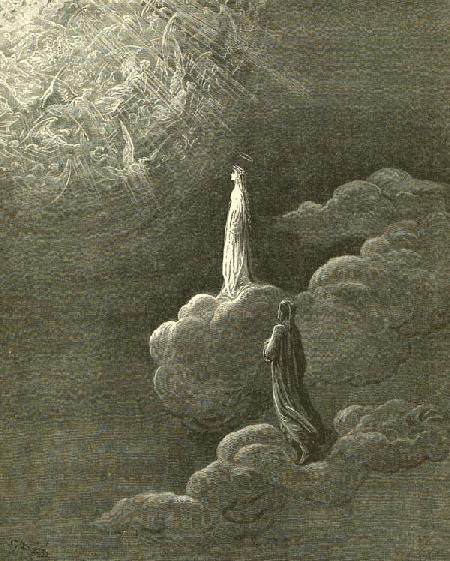
Rev. 20 – Revival of the Persecution, Blessed State of the Martyrs, Resurrection of the Dead The events of this chapter conclude the judgments begun in chapter 17. The battle of Gog & Magog (vv. 7-10) that brings the defeat of the dragon is the same battle that witnessed the defeat of the harlot in chapter 18, and the beast, false prophet, and kings of the earth in chapter 19. They are the same battle; both describe the persecution under Nero. The martyrs and confessors who perish under Nero and the Jews rest in Paradise pending the general resurrection. Following the defeat of his temporal enemies, Christ vanquishes the last enemy, Hadean death. Read >>> |
 |
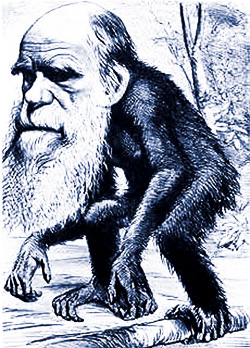
The Great Evolution Debate |
 |
________________________
|
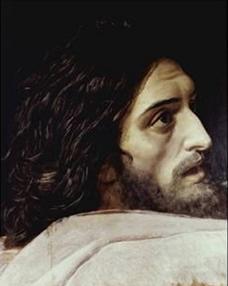
Commentary on Matthew Chapter Three The Eschatology of John the Baptist
1- In those days We learn from Luke that this was the fifteenth year of Tiberius Caesar (Lk. 3:1). Roman emperors dated their reigns by calendar years, or from January 1 to December 31 following their accession (the “non-accession” method). Augustus Caesar, who was the reigning emperor when Jesus was born, died August 19, A.D. 14. Thus, the first regnal year of Tiberius would have been the calendar year A.D. 15, making his fifteenth year the calendar year A.D. 29. Read>>> _________________ |
 |
 |
|
______________________
To receive Kurt Simmons’ e-mail newsletter, The Sword & The Plow, click the Subscribe link:
All rights reserved.